When cockroaches infiltrate healthcare facilities, they bring more than embarrassment. These resilient pests carry over 33 different bacterial types and disease-causing pathogens into vulnerable patient environments. Healthcare facilities face unique pest control challenges that traditional methods can’t address safely. This guide reveals cockroach management strategies designed specifically for medical environments where patient safety comes first.
The Critical Role of Cockroach Control in Healthcare Settings
Cockroach management in healthcare goes beyond professional appearance. These pests spread 33 bacterial types, six parasitic worms, and seven human pathogens. Hospital environments create perfect breeding conditions with warmth and humidity.
Healthcare facilities operate 24/7 with constant traffic and food areas. Immunocompromised patients can’t fight infections like healthy people. Cockroach allergens worsen asthma and respiratory conditions in vulnerable patients.
This makes pest control a critical patient safety issue. Treatment outcomes depend on maintaining sterile environments. Effective cockroach management protects both patients and the facility’s reputation.
Patient Health Risks from Hospital Cockroach Infestations
Cockroach infestations in healthcare create serious patient safety threats. These pests carry bacteria like E. coli and Salmonella on their bodies. Contamination spreads to medical equipment, sterile environments, and patient care areas. The specific health risks include:
Disease transmission through bacterial contamination of medical equipment and supplies
Respiratory complications from cockroach allergens that worsen asthma and allergies
Secondary infections occur when cockroach-borne bacteria enter through surgical sites or wounds
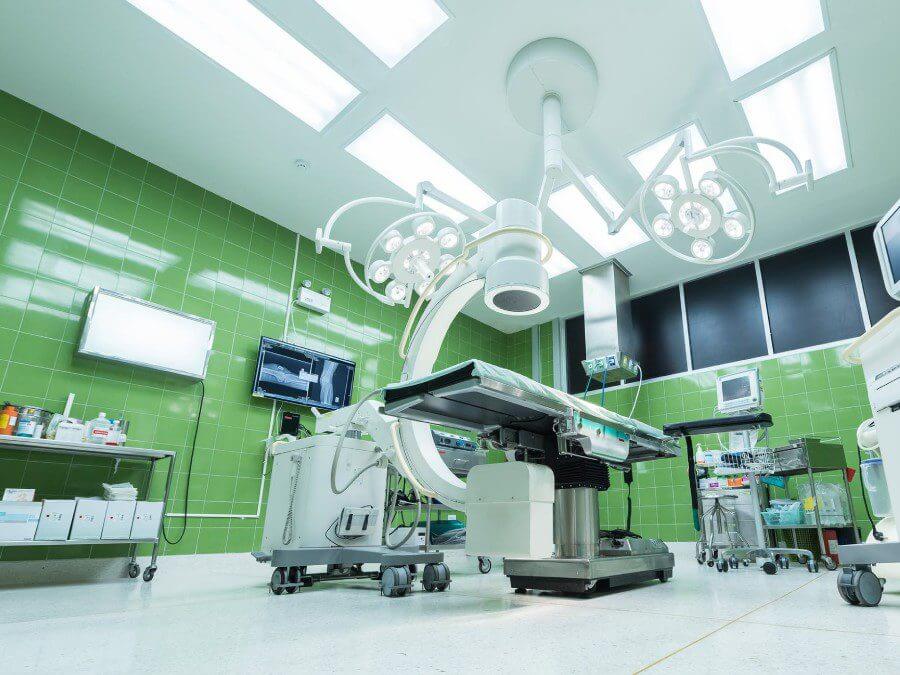
Cross-contamination of sterile environments, including operating rooms and ICUs
Foodborne illnesses from contaminated kitchen and food service areas
Psychological trauma for patients and families who encounter pests during treatment
Infestations cause emotional distress for patients and families who expect sterile environments. Financial costs extend beyond pest control to reputation damage and facility closures. Emergency remediation can cost facilities thousands in lost revenue and regulatory penalties.
Recognizing Signs of Cockroach Problems in Medical Facilities
Early detection prevents minor problems from becoming major infestations. Staff must recognize warning signs since cockroaches are active at night. Quick identification allows immediate intervention before patient safety becomes compromised. Key indicators of cockroach activity include:
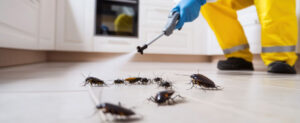
Visual sightings of live or dead cockroaches, especially in kitchens, storage areas, and utility rooms
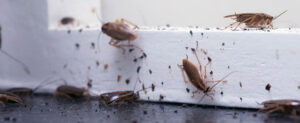
Droppings that look like small black pepper specks near food sources and hiding places
Egg cases (ootheca) found in dark, secluded areas like behind equipment or in storage closets
Unpleasant odors from cockroach pheromones create a musty, oily smell
Grease marks along walls and surfaces where cockroaches travel regularly
Damaged packaging of food or medical supplies with gnaw marks or holes
Staff should immediately report signs to facility management. Sticky monitoring traps help track infestation levels without creating patient safety risks. Regular monitoring verifies treatment effectiveness and prevents future problems.
Safe Cockroach Treatment Protocols for Healthcare Environments
Healthcare cockroach management requires specialized approaches prioritizing patient safety. Integrated pest management combines multiple methods while minimizing chemical use. This approach meets strict healthcare safety standards while eliminating pests effectively. Essential safety protocols include:
Coordinate with medical staff to identify patient-sensitive areas and schedule treatments during low-activity periods.
Use targeted application methods that minimize chemical exposure in patient care areas.
Implement non-chemical controls first, including sealing entry points, eliminating moisture sources, and improving sanitation.
Apply treatments in stages to avoid disrupting critical medical operations or patient care schedules.
Monitor air quality during and after treatments to ensure patient safety standards are maintained
Provide staff training on post-treatment protocols and safety measures for different facility areas
Document all procedures to maintain compliance with healthcare regulations and safety standards.
Professional technicians must understand medical facility operations completely. Treatment methods cannot interfere with sensitive equipment or create air quality issues. Gel baits and targeted sprays work better than broad-spectrum treatments in healthcare settings.
Healthcare Pest Control Regulatory Compliance Requirements
Healthcare facilities navigate complex regulations when implementing cockroach control programs. CDC guidelines govern pest management in patient care environments. OSHA standards protect staff from chemical exposure during treatments. Compliance requirements include:
Follow CDC environmental infection control guidelines that govern pest management in patient care areas
Maintain OSHA workplace safety standards for staff exposure to pest control chemicals and methods
Document all pest control activities according to healthcare facility quality assurance requirements
Coordinate with infection control teams to ensure pest management doesn’t compromise sterile environments
Meet state health department regulations specific to healthcare facility pest management and sanitation
Comply with EPA pesticide use regulations, including proper storage, application, and disposal procedures
Detailed record-keeping supports infection control and patient safety documentation. EPA regulates all pest control products used in medical settings. Regular audits review pest control programs as part of facility safety assessments.
Why T-Rex Pest Control Leads Healthcare Cockroach Management
T-Rex Pest Controlspecializes in healthcare facility pest management beyond traditional commercial services. Our team understands unique healthcare challenges and creates patient-focused protocols. We work with facility managers and medical staff to ensure seamless integration.
Our healthcare approach includes advanced monitoring systems that detect activity before it becomes visible. Treatment methods are approved explicitly for medical environments with detailed compliance documentation. T-Rex technicians receive specialized training in healthcare operations and sterile field requirements.
Take Action to Protect Your Healthcare Facility Today
Healthcare facilities cannot afford delays when cockroaches threaten patient safety and reputation. Professional management requires specialized knowledge of pest behavior and healthcare operations. Infestations increase risks for disease transmission, regulatory violations, and facility damage. Contact experienced healthcare pest control professionals today to develop comprehensive protection plans that maintain full regulatory compliance.