Fall pests in Texas often become more noticeable as temperatures cool and insects and rodents look for reliable food, water, and shelter. While Texas winters are relatively mild, changing fall conditions can still push pests toward garages, attics, kitchens, wall voids, and other protected areas of a home.
Knowing which pests are most common during this season can help homeowners recognize early warning signs and address a problem before it becomes a larger infestation.
Why Pest Activity Changes During the Texas Fall
Pest activity does not suddenly stop when summer ends. As nighttime temperatures drop and outdoor food or water becomes less dependable, many pests begin searching for more protected environments.
Homes provide stable temperatures, moisture, food, and plenty of hiding places. Small openings around doors, foundations, vents, utility lines, and rooflines can give pests an easy route indoors as seasonal conditions change.
Common Fall Pests to Watch for in Texas
Several pests can remain active or become more noticeable around Texas homes during the fall. Some are looking for shelter from cooler weather, while others follow food, moisture, or prey closer to the home.
The table below provides a quick look at some of the most common fall pests and where homeowners may notice them.
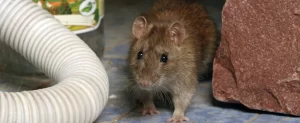
Rodents are one of the biggest fall pest concerns because they can settle into hidden areas and remain there for long periods. Garages, attics, storage spaces, and wall voids can provide the protection they need as outdoor temperatures change.
Once indoors, rats and mice may contaminate food, damage insulation, chew building materials, and create nests. Signs of rodent activity can include:
Scratching or scurrying noises at night
Droppings in garages, cabinets, or attics
Chewed food packaging or building materials
Nesting material made from paper, fabric, or insulation
Cockroaches and Ants
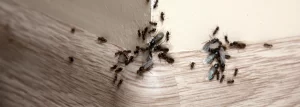
Cockroaches and ants can remain active throughout the Texas fall, especially during warmer stretches of weather. Kitchens, bathrooms, and other areas with easy access to food or moisture may become particularly attractive.
Repeated sightings can indicate that pests are entering through nearby gaps or have found a suitable hiding area inside the structure. Surface sprays may kill individual pests, but they do not always address the colony or source of the activity.
Spiders and Stinging Insects
Spiders may become more noticeable in garages, storage spaces, patios, eaves, and quiet corners where other insects are present. Their activity can sometimes signal that enough insect prey is nearby to support them.
Wasps and other stinging insects may also remain active during warm fall weather. Approach established nests around eaves, sheds, fences, trees, or outdoor structures carefully, because disturbing them can trigger defensive behavior.
Where Fall Pests Usually Enter the Home
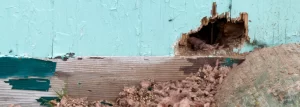
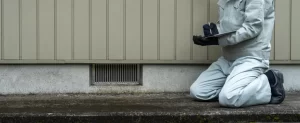
Many fall infestations begin through openings that are easy to overlook during everyday home maintenance. Even relatively small gaps around construction materials, vents, doors, or utility penetrations can provide a path indoors.
Taking time to inspect the exterior before temperatures drop can help you identify vulnerable areas early. Common entry points include:
Exterior doors and worn weatherstripping
Plumbing, cable, and utility openings
Foundation cracks and siding gaps
Window screens and exterior vents
Garage door edges
Rooflines and damaged vent covers
Branches or vegetation touching the home
How to Make Your Home Less Attractive to Fall Pests
Fall pest prevention works best when you reduce both access points and the resources pests need to survive. Food, water, clutter, and sheltered areas can all make a home more appealing to insects and rodents.
A few seasonal maintenance steps can make it harder for pests to settle around the property. Homeowners can:
Seal visible exterior gaps and cracks
Replace damaged door sweeps and weatherstripping
Store food in sealed containers
Clean crumbs and spills regularly
Repair leaks and reduce excess moisture
Keep garages and storage areas organized
Move firewood and stored materials away from the house
Trim vegetation away from exterior walls
When to Consider Professional Pest Control
An occasional insect indoors does not always indicate a serious infestation. However, repeated sightings, droppings, nesting material, unexplained noises, or persistent activity may point to a problem that is developing behind the scenes.
Professional pest control can help identify the pest, locate areas supporting the infestation, and determine the most appropriate treatment. Addressing the source is especially important when pests continue returning despite basic prevention efforts.
Keep Fall Pests Out With T-Rex Pest Control
Fall is a good time to address pest activity before insects and rodents become established inside your home. Early attention can help reduce recurring problems as temperatures continue to change and pests search for more reliable shelter.
At T-Rex Pest Control, we help Texas homeowners identify and control unwanted pests with solutions based on the conditions found around the property. Contact us today to schedule pest control services and help keep unwanted pests from settling into your home this fall.