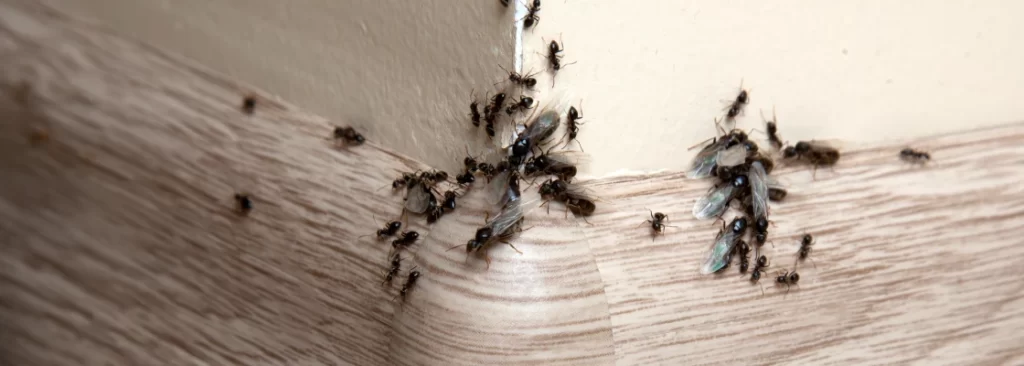
Ants often come inside Texas homes during the fall because changing temperatures, shifting moisture levels, and fewer outdoor food sources push them to find a more stable environment. Your home may provide the water, food, and protected shelter a growing colony needs. While a few ants may seem harmless, frequent activity can signal an infestation that requires professional ant control services.
Why Ant Activity Changes During the Texas Fall
Texas does not always experience a smooth transition from summer to fall. Hot afternoons may be followed by cool nights, while heavy rain can quickly give way to dry conditions. These changes disrupt outdoor colonies and encourage worker ants to explore nearby homes.
Several seasonal conditions can contribute to indoor ant activity:
- Temperature swings: Ants may enter wall voids and other protected areas when outdoor temperatures become less stable.
- Heavy rainfall: Water can flood underground nests and force colonies toward foundations, exterior walls, and higher ground.
- Dry conditions: Ants may move indoors looking for water around sinks, bathrooms, laundry areas, and plumbing lines.
- Reduced food outdoors: Kitchens, pantries, trash cans, and pet bowls become reliable food sources when natural options decline.
- Larger colonies: Colonies may reach a substantial size by late summer, leaving more worker ants searching for food and shelter.
Where Ants Usually Enter a Home
Ants need only a very small opening to get indoors. Once a worker finds food or water, it can leave a scent trail that guides other ants from the colony to the same location. This is why a few ants near a window can quickly turn into a steady trail across the kitchen.
Common ant entry points include:
- Gaps around windows and exterior doors
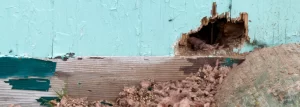
- Cracks in the foundation or siding
- Openings around plumbing and utility lines
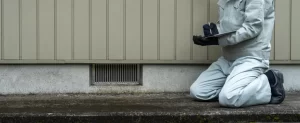
- Weep holes and expansion joints
- Damaged weatherstripping
- Tree branches or shrubs touching the house
- Gaps around rooflines and vents
Why Killing the Ants You See May Not Be Enough
The ants moving across a countertop are usually worker ants searching for food or water. The queen and most of the colony may remain hidden outdoors, inside a wall, beneath flooring, or near the foundation. Spraying the visible trail may reduce activity briefly without reaching the source.
Some ant species can also respond poorly to the wrong treatment. Repellent sprays may cause certain colonies to split and establish new nesting areas, making the infestation more difficult to control. Proper identification and a treatment selected for that species are important when ants keep returning.
Common Ants That May Invade Texas Homes
Correct identification matters because different ants have different nesting habits and may not respond to the same treatment. Some are primarily a nuisance, while others can sting, contaminate food, or damage parts of a home. Texas homeowners may encounter several species during the fall.
Odorous House Ants
Odorous house ants are small brown or black ants commonly found near kitchens, pantries, plumbing, and warm appliances. They release an unpleasant odor often compared to rotten coconut when crushed. Because their colonies may contain multiple queens, controlling only the visible workers is unlikely to solve the entire problem.
Rover Ants
Rover ants are very small and can range from pale yellow to dark brown. They frequently enter homes looking for moisture and may appear around sinks, toilets, windows, and other humid areas. Their size allows them to pass through openings that are easy for homeowners to overlook.
Fire Ants
Fire ants generally build mounds outdoors, but heavy rainfall can disturb their colonies and push them closer to homes. They may gather near foundations or enter through small exterior openings. Their painful stings make activity near children, pets, and frequently used outdoor areas especially concerning.
Carpenter Ants
Carpenter ants are larger than many common household ants and often nest in damp or moisture-damaged wood. They do not eat wood, but they excavate it to create nesting galleries. Indoor activity near window frames, wall voids, rooflines, or areas affected by leaks may require closer inspection.
Signs the Problem Is More Than a Few Stray Ants
Seeing an occasional ant does not always mean that a large colony is living inside your home. However, repeated sightings or organized trails suggest that ants have found a dependable resource nearby. Paying attention to when and where they appear can help reveal the severity of the problem.
Watch for signs such as:
- Ant trails that return after cleaning
- Daily activity in kitchens or bathrooms
- Ants emerging from baseboards, outlets, or wall gaps
- Several ants gathering near plumbing fixtures
- Winged ants appearing indoors
- Wood shavings near frames or other wooden materials
- Outdoor mounds close to the foundation
- Ant activity that continues after using store-bought products
How to Make Your Home Less Attractive to Ants
Fall ant prevention starts by limiting access to food, water, and shelter. These steps cannot guarantee that ants will stay away, but they can make your home less appealing and help reduce the conditions that support an infestation.
- Seal small openings: Apply caulk around gaps near windows, doors, utility pipes, and other exterior penetrations.
- Correct moisture problems: Repair leaking pipes and fixtures, clear clogged gutters, and address damp areas around the home.
- Store food securely: Place pantry goods in tightly sealed containers and avoid leaving food uncovered.
- Clean up promptly: Wipe away crumbs, grease, drink spills, and pet food before worker ants discover them.
- Reduce exterior access: Trim branches and shrubs so they do not touch the siding, roof, or windows.
- Remove ant trails: Clean surfaces with soap and water to help disrupt the scent trails used by foraging ants.
Professional Ant Control That Reaches the Source
At T-Rex Pest Control, we provide professional ant control services for homes in Fate, Rockwall County, and surrounding Texas communities. We inspect the property to identify the ant species, locate likely colonies, and find the openings they are using to enter. We then create a targeted plan that may include indoor and outdoor treatments, colony elimination, protective barriers, entry-point recommendations, and ongoing quarterly prevention.
Our approach is designed to address more than the ants moving through your kitchen or bathroom. We focus on the source of the infestation and the conditions that may allow it to return. We can treat common local invaders, including carpenter ants, fire ants, odorous house ants, crazy ants, and pharaoh ants.
Stop Fall Ants Before They Settle Into Your Home
Fall weather can drive Texas ants indoors, but you do not have to live with them. Our ant control services identify the species, target the colony, and help prevent future activity. Contact us today to schedule an inspection and take back your home.