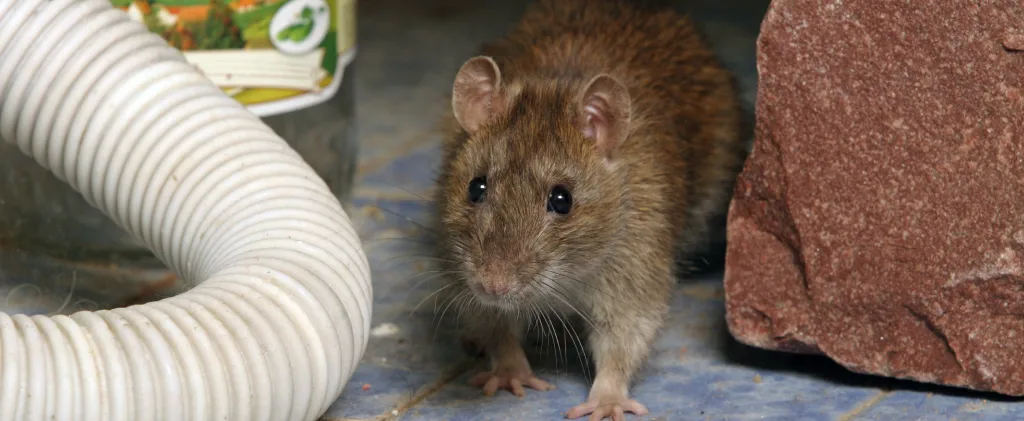
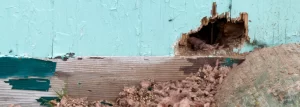
Rats and mice often invade Texas homes in the fall because cooler nights, limited outdoor food, and higher rodent populations push them to find new shelter. Homes provide the warmth, food, water, and protected nesting spaces they need before winter arrives. Understanding what attracts rodents indoors can help homeowners recognize a problem early and determine when professional rodent control services are needed.
Why Rodent Activity Moves Closer to Homes in the Fall
Several seasonal changes happen at the same time during the fall. Together, these conditions make residential properties more attractive to rats and mice.
Cooler Nights Create a Need for Shelter
Texas may remain warm during the day, but nighttime temperatures gradually begin to fall. Rats and mice respond by searching for places with more stable conditions, including attics, wall voids, garages, and crawl spaces. Rodents do not hibernate during winter. Instead, they may enter homes in the fall to establish protected nesting areas before colder weather becomes more frequent.
Outdoor Food Sources Become Limited
Seeds, insects, and other natural food sources can become harder to find as the season changes. Kitchens, pantries, trash containers, and pet-feeding areas provide rodents with a much more dependable supply. Even small amounts of accessible food can encourage rodents to stay. Common sources include:
Open pantry packages
Crumbs beneath appliances
Pet food left out overnight
Unsealed trash containers
Birdseed stored in garages
Food residue around cooking areas
Rodent Populations Are Higher After Summer
Rats and mice reproduce quickly during the warmer months, so their populations may be higher by fall. Increased competition for food and shelter can force some rodents to leave established areas and search for new territory. A home may provide everything they need within a relatively small space. Once rodents find food and a secure nesting area, their numbers can continue to increase out of sight.
How Rats and Mice Get Into Texas Homes
The search for food and shelter brings rodents close to homes, but they still need a way inside. Unfortunately, gaps that look insignificant to a homeowner may be large enough for a mouse or rat to use.
Common Entry Points Around the Home
Mice can fit through extremely small openings, while rats can climb pipes, branches, and textured exterior walls. This means entry points may be found near the foundation or high along the roofline.
Common access points include:
Cracks along slabs and foundations
Openings around pipes, cables, and gas lines
Gaps beneath garage and exterior doors
Damaged soffits or roof edges
Uncovered attic and crawl space vents
Openings around air-conditioning lines
Tree branches touching the roof
Why Rooflines Should Not Be Overlooked
Roof rats are capable climbers and frequently use overhanging branches to reach upper parts of a house. Damaged soffits, loose roofing materials, and uncovered attic vents can give them direct access to quiet nesting spaces.
An effective inspection should cover the entire exterior rather than concentrating only on the foundation. Once inside an attic, rodents may move through walls and ceilings to reach other parts of the home.
What Happens After Rodents Get Inside
After gaining access, rats and mice usually remain close to food, water, and protected nesting areas. Because they are most active at night, an infestation can develop before homeowners see a live rodent.
Early Signs of Rodent Activity
Rodents often leave evidence along the routes they use between their nests and food sources. Recognizing these warning signs can help homeowners address the problem before it becomes more widespread. Watch for:
Scratching or scurrying sounds after dark
Droppings in cabinets, drawers, or storage areas
Gnawed food packages, wood, or electrical wiring
Dark rub marks along walls and baseboards
Shredded paper, fabric, or insulation
Musty odors in enclosed spaces
Pets focusing on walls, cabinets, or appliances
Problems Rodents Can Cause
Rodents can contaminate food and surfaces with waste as they move through a home. They may also damage insulation, stored belongings, wood, and electrical wiring through constant gnawing. Waiting can give rodents more time to spread into hidden areas and create additional nesting sites. Addressing the activity early makes it easier to limit damage and prevent the infestation from growing.
How to Reduce the Risk of a Fall Rodent Invasion
Knowing why rodents enter and how they move through a home makes prevention more manageable. The next step is to reduce access to the food, shelter, and entry points that attract them.
Seal Potential Entry Points
Inspect the exterior for openings around the foundation, siding, vents, doors, and utility lines. Small gaps should be closed with rodent-resistant materials, such as metal mesh combined with a durable exterior sealant. Weatherstripping and door sweeps should also be checked for wear. Larger holes, damaged vents, or roofline openings may require professional repairs.
Remove Food and Hiding Places
Rodents are less likely to stay where food and nesting materials are difficult to reach. A few practical changes can make the property less inviting:
Store pantry goods and pet food in sturdy, sealed containers.
Keep indoor and outdoor trash cans tightly closed.
Clean crumbs and spills beneath appliances and cabinets.
Move stored items away from walls whenever possible.
Remove brush, leaves, and clutter near the foundation.
Trim branches that touch or hang over the roof.
When Professional Rodent Control Services Are Needed
Sealing gaps and removing food sources can help prevent an infestation, but those steps may not eliminate rodents that are already inside. Traps placed without identifying nesting areas or travel routes may only address a small part of the problem.
Professional help is worth considering when signs continue, activity occurs in several rooms, or rodents are heard inside walls and ceilings. A complete approach should address the current infestation as well as the conditions that allowed it to begin.
Our Approach to Fall Rodent Problems
At T-Rex Pest Control, we provide rodent control services that address both active rodents and potential entry points. We begin by inspecting the property for nesting areas, travel routes, and exterior openings before creating a plan based on the conditions in the home.
Our service may include strategically placed traps or baits, exclusion methods, ongoing monitoring, and prevention guidance. We also provide follow-up care and adjust the treatment when necessary to help homeowners in Fate, Rockwall County, and surrounding Texas communities achieve lasting relief.
Keep Rats and Mice From Settling In This Fall
If you hear scratching, discover droppings, or notice gnaw marks, addressing the activity early can prevent a larger fall infestation. Our team can inspect your home, identify where rodents are entering, and recommend an appropriate treatment plan.
Professional rodent control services help protect your food, property, and peace of mind as temperatures begin to fall. Contact us today to schedule an inspection and keep rats and mice from making your Texas home their winter shelter.