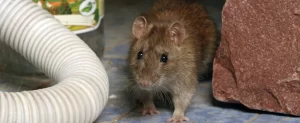
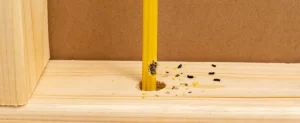
The fastest way to tell mice from rats is by the droppings. Mouse droppings are usually the size of a grain of rice, while rat droppings are larger, closer to the size of an olive pit, and more capsule-shaped. If you are hearing scratching, finding droppings, or seeing chew marks, this guide will help you understand the signs of rodent infestation in Texas and what to do next.
How To Tell Mice From Rats Fast
When homeowners ask, “how do I know if I have mice or rats,” the answer usually starts with size, sound, and where the activity is happening. Mice in walls in North Texas often make lighter, faster noises, while rats sound heavier as they move through attics, wall voids, and rafters. Here is a simple side-by-side guide to help you narrow it down.
Sign
Mice
Rats
Droppings
Small, about 3 to 6 mm, rice-shaped, pointed ends
Larger, about 12 to 18 mm, capsule-shaped, blunt ends
Heavier scratching, thumping, dragging, or movement in walls
Gnaw Marks
Small, cleaner chew marks or tiny round holes
Larger, rough, jagged openings or damaged edges
Body Size
Small body with a thin tail
Larger body with a thicker tail
Entry Points
Can fit through dime-sized gaps
Can fit through quarter-sized gaps
Runways
Less obvious, often close to clutter or food
Greasy rub marks along walls, pipes, rafters, or baseboards
Why Rodents Move Inside During Fall In North Texas
Fall rodents in Texas become more noticeable when temperatures start dropping in October and November. As nights cool down, mice and rats look for warm, quiet places with food, water, and shelter. That is why many homeowners first hear scratching in walls, attics, or ceilings during this season. Common entry points in North Texas homes include:
Weep holes in brick exteriors
Gaps around A/C lines and utility penetrations
Damaged garage door seals
Openings around pipes, vents, and dryer lines
Cracks near the foundation or siding
Loose roofline gaps, soffits, and fascia boards
Signs Of Rodent Infestation In Texas Homes
Rodents are usually active at night, so the first sign is often noise instead of a visible mouse or rat. The problem is that one rodent can quickly turn into more if food, shelter, and entry points are available. Watch for these mouse infestation signs and rat activity clues around your home.
Scratching or scurrying inside walls, ceilings, or the attic
Droppings under sinks, inside cabinets, or along baseboards
Chewed food packaging, wires, insulation, or stored items
Musty odors near vents, closets, or enclosed areas
Shredded paper, fabric, or insulation used for nesting
Pets staring, pawing, or sniffing near the same wall or appliance
Greasy rub marks along walls, especially with rats
Where To Check For Mice Or Rats In Your Home
Rodents like quiet, hidden areas where they can travel without being seen. If you are trying to confirm rodents in home winter Texas activity, start with the places that provide warmth, food, and cover. Check carefully, but avoid touching droppings or nesting material with bare hands.
Attic
Look for tunnels in insulation, shredded material, droppings, and chew marks on wiring or wood. Rats are more likely to leave larger paths and greasy marks along rafters or beams. Mice may leave smaller droppings near insulation piles or warm spots.
Kitchen
Check under appliances, behind the stove, under the sink, and inside lower cabinets. Rodents often follow plumbing lines because gaps around pipes give them easy access. Food crumbs, pet food, and open pantry items can keep them active.
Garage
Look along walls, behind storage boxes, near water heaters, and around the garage door seal. Garages are common rodent entry points because doors do not always close tightly at the corners. Stored birdseed, grass seed, and pet food can attract mice and rats quickly.
Bathrooms And Laundry Rooms
Inspect around plumbing openings, dryer vents, cabinets, and utility lines. These rooms often have small gaps that connect to wall voids or crawl spaces. Droppings near pipes are a strong sign that rodents are traveling through hidden spaces.
What To Do If You Think You Have Mice Or Rats
A small, early issue may sometimes be handled with simple cleanup, sealing, and snap traps. The key is to remove food sources, close entry points, and place traps along travel paths instead of random open areas. Avoid using poison inside the home because rodents may die inside walls or attics and create odor problems. Start with these steps:
Store food and pet food in sealed containers.
Clean crumbs, spills, and trash areas daily.
Inspect the exterior for small gaps and damaged seals.
Use steel wool, copper mesh, or proper exclusion materials for minor openings.
Place snap traps along walls, inside cabinets, or near confirmed activity areas.
Check traps often and keep children and pets away from trap zones.
Health And Home Risks You Should Not Ignore
Rodents are not just annoying noises in the wall. They can contaminate food, leave droppings and urine behind, and chew through materials that protect your home. Chewed electrical wiring is one of the biggest reasons rodent activity should be handled quickly.
Health risk can also depend on the rodent species. Deer mice are more commonly associated with hantavirus concerns in North America, while rats are often linked to other contamination issues. Salmonella and other bacteria can also spread when rodent waste gets near food, counters, cabinets, or storage areas.
\When DIY Rodent Control Is Not Enough
DIY may work if you only notice one or two rodents and can clearly find where they are getting in. Professional help is usually the better option when noises continue, droppings show up in several areas, or the activity is in hard-to-reach spaces like attics, rooflines, or walls. Call a professional if you notice:
Droppings in multiple areas
Nightly scratching or movement
Attic insulation damage
Chewed wires or ducts
Greasy rub marks along walls
Rodents returning after traps
Entry points you cannot find or seal
Your Local Source For Rodent Control In Rockwall County
T-Rex Pest Control is the go-to source for rodent control for Rockwall, TX, rat control in Fate, TX, and nearby North Texas communities. We inspect the property, identify rodent entry points, create a custom treatment plan, use targeted traps and exclusion methods, monitor activity, and provide prevention guidance to help keep rodents from coming back. Our rodent control services are built to address the source of the problem, not just the rodents you hear in the wall tonight.
Get The Scratching In Your Walls Checked Today
If you are hearing scratching, finding droppings, or wondering whether you have mice or rats, do not wait for the problem to spread. Rodents can damage insulation, wiring, food storage areas, and quiet spaces around the home.
A professional inspection can confirm what is inside, where it is getting in, and what needs to be sealed. Contact us today to schedule rodent control in Rockwall County, Fate, or nearby North Texas areas.