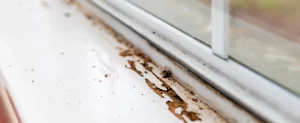
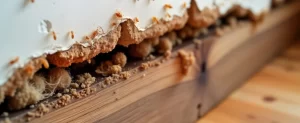
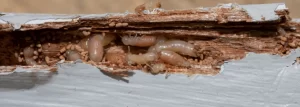
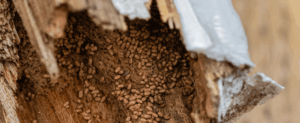
A well-designed yard can increase termite risk when moisture and organic materials build up in the wrong areas. Termites are drawn to damp environments and to cellulose sources such as mulch. Understanding these conditions helps reduce the risk of termite infestations in landscaping and protects your property.
How Certain Yard Conditions Increase Termite Activity
Termites do not appear just because you improve your outdoor space, but specific conditions can make your property more attractive to them. Moist soil and wood-based materials give termites what they need to survive and expand. When these elements sit close to your home, the chances of infestation go up.
Common factors that attract termites include:
Excess moisture near the foundation
Wood-based mulch placed too close to structures
Poor drainage that keeps the soil damp
Dense plant coverage that traps humidity
These conditions create an ideal environment for termite movement and nesting.
The Real Issue With Mulch and Termites
Mulch is often linked to mulch termites, but it is not the root cause of infestations. The problem comes from how mulch is used and where it is placed. Organic mulch holds moisture and can act as a temporary food source for termites.
Key risks associated with mulch:
Retains moisture against soil and structures
Provides a food source made of organic material
Creates hidden pathways for termite travel
Often applied too thick or too close to the home
Proper placement and depth significantly reduce these risks.
Why Moisture Is the Bigger Problem
Water plays a larger role in termite activity than mulch alone. Termites rely on damp conditions to survive, especially in hot climates where dry soil limits their movement. When water collects or stays trapped near your home, it creates the perfect setup for termites.
Moisture-related risks include:
Overwatering lawns and planting beds
Poor grading that directs water toward the foundation
Leaking irrigation systems
Clogged gutters and downspouts
Managing moisture is one of the most effective ways to limit termite activity.
Signs Your Yard May Be Attracting Termites
Early warning signs often show up outside before termites reach interior structures. Paying attention to these details can help you catch issues before they become costly. Regular checks around your foundation and planting areas are key.
Watch for these signs:
Mud tubes along foundation walls
Soft or damaged wood near ground level
Areas of consistently damp soil
Mulch that stays wet for long periods
These indicators suggest conditions that may support termite activity.
How to Reduce Landscaping Termite Risk
A few simple adjustments can help protect your property without sacrificing curb appeal. The goal is to limit moisture and reduce direct access points to your structure. Small changes often have a big impact over time.
Best practices to follow:
Keep mulch at least 6 to 12 inches away from your foundation
Use a thin layer of mulch instead of a heavy buildup
Improve drainage to prevent standing water
Repair irrigation leaks as soon as possible
Use gravel or stone near the base of your home
These steps help create a less favorable environment for termites.
When to Call for Professional Termite Control
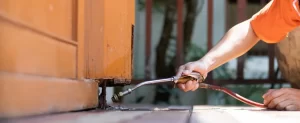
Even with proper prevention, termite activity can still develop over time. A professional inspection helps identify hidden risks that are easy to miss. Early treatment reduces the chance of serious structural damage.
Working with a professional team provides:
Accurate inspections and detection
Targeted treatment plans
Long-term prevention strategies
Confidence that your property is protected
Take Action Before Termites Become a Problem
Outdoor improvements should not put your home at risk. Moisture buildup and improper mulch placement can lead to termite activity if left unchecked. Addressing these issues early helps avoid expensive repairs later.
If you suspect termite activity or want to reduce your risk, T-Rex Pest Control is ready to help. Their team provides dependable solutions for residential and commercial properties across Texas. Contact us todayto schedule a termite inspection and protect your investment.