Subterranean termites are far more destructive than drywood termites in North Texas. While both can damage your property, subterranean termites cause faster and more widespread structural damage due to their large colonies and hidden activity. If you are comparing drywood vs subterranean termites, the biggest difference comes down to how quickly and aggressively they can compromise your home.
What Makes Subterranean Termites So Destructive?
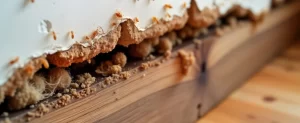
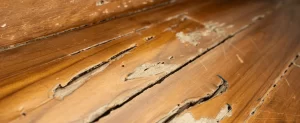
Subterranean termites Texas homeowners deal with are known for their aggressive behavior and large populations. They live underground and build mud tubes to reach wood structures, which allows them to stay hidden while causing damage. This makes them difficult to detect until the damage becomes serious.
- Colony sizes can reach hundreds of thousands or even millions
- They consume wood rapidly and continuously
- They attack structural elements like beams and foundations
- They thrive in the moist soil conditions common in North Texas
- Damage often goes unnoticed until it becomes severe
How Drywood Termites Cause Damage?
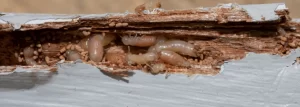
Drywood termites behave very differently from subterranean species. They live directly inside the wood they infest and do not need contact with soil. This limits their spread but still allows them to damage specific areas over time.
- Colonies are smaller, usually in the thousands
- Damage is slower and more localized
- They often infest furniture, framing, and trim
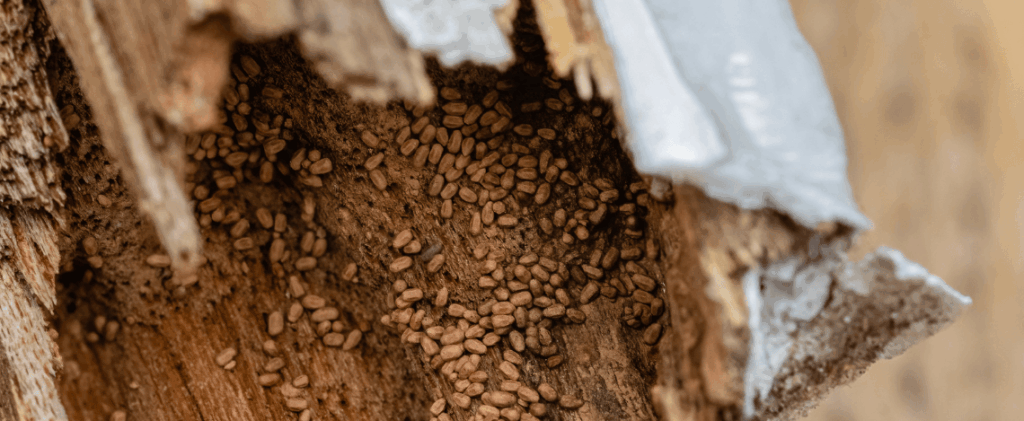
- They leave behind small pellets called frass
- Infestations are easier to isolate but still costly
Key Differences Between Drywood vs Subterranean Termites
Understanding the difference between drywood vs subterranean termites helps you identify the level of risk to your property. Each type has unique behaviors, but one clearly stands out in North Texas.
| Feature | Subterranean Termites | Drywood Termites |
| Destructive Level | Very High | Moderate to High |
| Colony Size | Hundreds of thousands to millions | Thousands |
| Common in North Texas | Very common | Less common |
| Habitat | Soil and underground tunnels | Inside dry wood |
| Signs | Mud tubes, soft or sagging wood | Frass and small kick-out holes |
Why Subterranean Termites Are the Bigger Threat in North Texas
The climate in North Texas creates the perfect environment for subterranean termites to thrive. Moist soil and warm temperatures allow colonies to grow quickly and expand across properties. This leads to faster structural damage compared to drywood termites.
Subterranean termites are responsible for most termite-related damage in the Dallas and Rockwall County areas. Their ability to stay hidden while feeding on structural wood makes them especially dangerous. By the time signs appear, repairs can already be extensive.
Signs You May Have a Termite Problem
Knowing what to look for can help you catch an infestation early. Different termite types leave different clues, so it is important to recognize both.
- Mud tubes along foundations or walls
- Wood that sounds hollow or feels soft
- Discarded wings near windows or doors
- Small piles of pellet-like droppings
- Warped or sagging floors
Professional Termite Control You Can Rely On
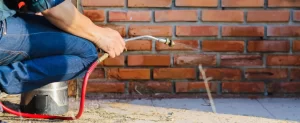
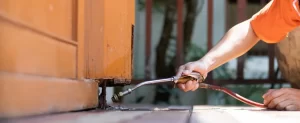
When it comes to protecting your property, working with a trusted local provider makes a difference. T-Rex Pest Control offers professional termite control services for residential and commercial properties throughout Rockwall County, TX. Our team understands how subterranean termites Texas homes face behave and uses targeted treatments to stop infestations at the source.
From detailed inspections to effective treatment plans, our termite control services are designed to eliminate active colonies and prevent future damage. This approach helps protect your structure and gives you peace of mind.
Protect Your Property from the Most Destructive Termites
If you are dealing with drywood vs subterranean termites, the risk in North Texas is clear. Subterranean termites cause faster, deeper, and more costly damage if left untreated. Taking action early can save you from major repairs and long-term structural issues. Reach out for a professional inspection and protect your home before the damage spreads further.