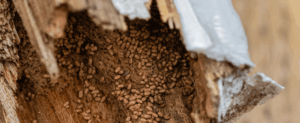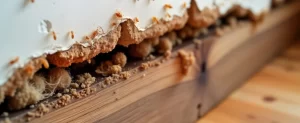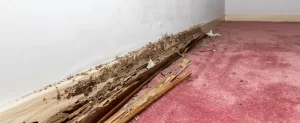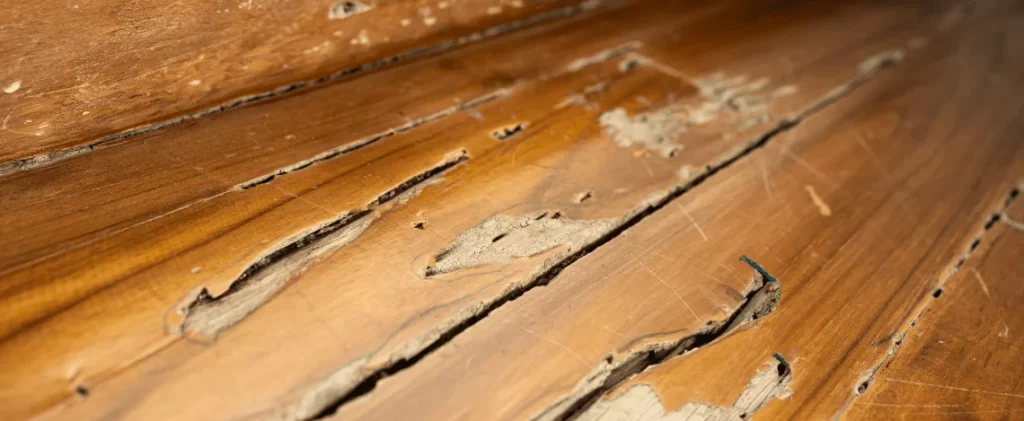
Hidden termite damage is a serious issue in Texas homes, and it is often missed during a standard inspection. Termites eat wood from the inside out, which leaves surfaces looking intact while the structure weakens underneath. This is why many homeowners only discover the problem after major damage has already occurred.
Why Hidden Termite Damage Is So Common in Texas
In Texas, termite activity is more aggressive due to climate and species behavior. Subterranean and Formosan termites can spread quickly and stay out of sight for long periods. This makes hidden termite damage much harder to detect during routine checks.
Standard inspections also focus only on visible and accessible areas. Inspectors are not required to open walls or move heavy items. Because of this, many problem areas go completely unchecked.
Common Areas Inspectors Often Miss
Some parts of a home are more vulnerable but are often overlooked during a termite inspection in Texas. These areas are harder to access or easy to ignore during a quick evaluation. Knowing where to look can help you stay ahead of serious damage.
- Sill plates along the foundation, often covered or blocked
- Interior wall cavities where termites eat through studs
- Subflooring and floor joists hidden beneath finished floors
- Garages and attics with poor lighting or limited access
- Window and door frames along exterior walls
- Wood-to-soil contact points like decks or mulch near the structure
Subtle Signs of Termites in Walls and Structures
Hidden infestations usually leave behind small clues that are easy to overlook. These signs of termites in walls can appear minor but often point to deeper structural issues. Paying attention to these details can help catch problems early.
- Bubbling or peeling paint that looks like water damage
- Wood that sounds hollow when tapped
- Slight warping in floors, doors, or window frames
- Small piles of pellet-like droppings known as frass
- Tiny pinholes in drywall from termite activity
Why Inspectors Miss These Warning Signs
Most home inspections are limited in scope and do not involve invasive checks. Inspectors are trained to evaluate what is visible, not what is hidden behind surfaces. This creates a gap where hidden termite damage can go unnoticed.
In Texas, this issue is even more complex due to termite behavior. Some species can build colonies above ground and enter through roofs or upper structures. This allows them to bypass the usual signs like mud tubes and remain undetected longer.
When to Call a Termite Control Specialist
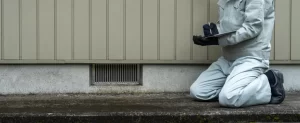
If you suspect hidden damage or notice early warning signs, it is important to act quickly. A standard inspection may not be enough to confirm the issue. Specialized termite inspections use tools and experience to uncover what others miss.
- Uses moisture detection and advanced inspection tools
- Identifies termite activity in walls, floors, and hidden areas
- Helps prevent costly structural repairs through early detection
Your Trusted Source for Termite Control in Rockwall County
When it comes to protecting your home, working with a dedicated termite specialist makes a clear difference. T-Rex Pest Control provides targeted termite control services for both residential and commercial properties in Rockwall County, TX. Our team understands how to identify hidden termite damage and apply the right treatment before it spreads.
From detailed inspections to proven treatment methods, our approach focuses on long-term protection. If you are concerned about signs of termites in walls or want a reliable termite inspection in Texas, our service is built to address the problem at its source.
Protect Your Home Before Hidden Damage Gets Worse
Hidden termite damage does not fix itself and often becomes more expensive over time. Acting early gives you a better chance to protect your structure and avoid major repairs. If you have concerns or want peace of mind, schedule a professional termite inspection and take control before the damage spreads further.