Texas homes are seeing a spike in termite damage after mild winters because freezing temperatures are no longer stopping termite activity. Instead of slowing down, colonies stay active, feed longer, and grow faster throughout the year. This means more damage can happen before homeowners even realize there is a problem.
How Mild Winters Keep Termites Active Year-Round
Mild winters change how termites behave across Texas properties. Without a hard freeze, subterranean termites never enter a true dormant phase, which keeps them active when they would normally slow down. This creates a longer window for feeding and damage.
Here is what that looks like in real conditions:
- Termites continue feeding on wood structures during winter
- Colonies remain underground and active instead of dying back
- Damage starts earlier in the year and lasts longer
- Homes face pressure from termites nearly all year
Why Termite Colonies Are Growing Faster Than Before
Warmer soil and steady moisture create ideal conditions for termite reproduction. Queens are able to keep laying eggs without interruption, which leads to larger and more aggressive colonies over time. Bigger colonies mean faster structural damage. This growth leads to:
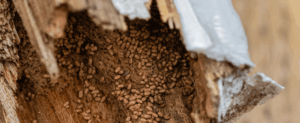
- Increased population size within a single colony
- Higher demand for food sources like wood framing
- Faster spread across foundations and crawl spaces
- Greater risk of widespread structural damage
Earlier Swarms Are Catching Homeowners Off Guard
Another major shift is the timing of termite swarms. With milder winters, swarming season can begin earlier than expected, sometimes as early as late winter. This often catches homeowners unprepared. Common signs during swarm season include:
- Flying termites near windows or doors
- Piles of discarded wings inside the home
- Increased termite activity around the foundation
- Sudden visibility of a problem that has been building for months
Environmental Factors Making Texas Homes More Vulnerable
Texas conditions already favor termites, and mild winters make it worse. Soil moisture, humidity, and urban heat all contribute to ideal living conditions for subterranean termites. These factors help colonies survive and expand without interruption.
Key environmental contributors include:
- Moist soil that supports underground tunnels
- Warm urban areas that retain heat year-round
- High humidity levels that termites depend on
- Expanding populations of aggressive termite species
Homes That Face the Highest Risk
Not every home is affected the same way, but some properties are more vulnerable. Older construction and certain foundation types make it easier for termites to gain access and remain hidden. High-risk property features include:
- Pier-and-beam construction with exposed wood
- Direct wood-to-soil contact around the foundation
- Poor drainage or standing water near the home
- Limited crawl space ventilation
Signs of Termite Activity You Should Not Ignore
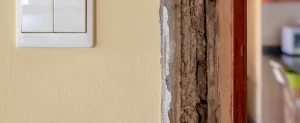
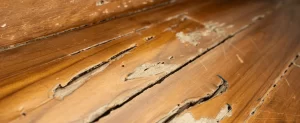
Termite damage often stays hidden until it becomes serious. Knowing what to look for can help catch the issue earlier and limit repairs. Watch for these warning signs:
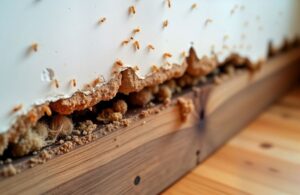
- Mud tubes along foundation walls
- Wood that sounds hollow when tapped
- Bubbling or uneven paint on surfaces
- Small piles of wings or frass near entry points
How to Reduce Your Risk Moving Forward
Even with changing weather patterns, there are steps homeowners can take to limit termite activity. Prevention focuses on reducing moisture and eliminating easy access to wood structures. Start with these practical steps:
- Fix leaks and improve drainage around the property
- Keep wood materials away from direct soil contact
- Schedule regular inspections to catch early activity
- Maintain proper airflow in crawl spaces
Your Local Solution for Termite Control in Rockwall County
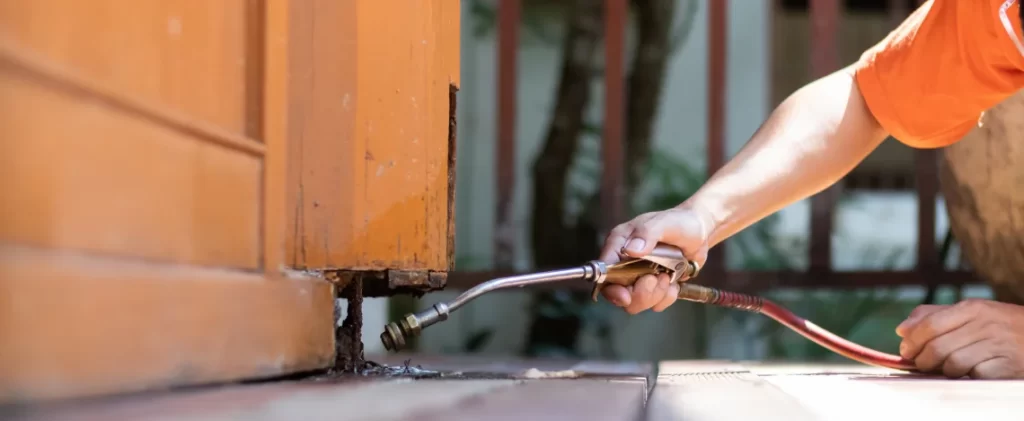
When termite activity increases, professional treatment becomes the most effective way to protect your property. T-Rex Pest Control provides targeted termite control services designed for both residential and commercial properties in Rockwall County, TX. Our approach focuses on identifying active colonies, applying proven treatments, and creating a barrier that limits future infestations. With local experience and a clear process, we help reduce long-term risk and protect structural integrity. Contact us TODAY!