Texas winters may be milder than those in many other parts of the country, but that does not mean rodent activity slows down. When temperatures drop, mice and rats can spend more time inside homes where they have reliable shelter, food, and water. If rodents are already getting into your property, winter conditions can give them an opportunity to settle in and turn a small problem into a much larger infestation.
Why Texas Winters Can Increase Rodent Activity Indoors
Mice and rats are constantly looking for places that provide the basic things they need to survive. During warmer weather, they may find more of those resources outdoors, but colder nights and sudden Texas cold fronts can make protected indoor spaces much more appealing.
Homes offer stable temperatures along with hiding places that remain relatively undisturbed. Attics, wall voids, garages, crawl spaces, and storage areas can provide exactly the kind of protected environment rodents need to remain active throughout the winter.
How a Small Rodent Problem Can Grow During Winter
Getting inside is only the beginning. Once rodents find a dependable source of shelter and food, they have fewer reasons to leave, giving an infestation more time to become established.
Food Becomes Easier to Find Indoors
Rodents do not need much food to remain around a property. Pantry items, crumbs, pet food, birdseed, trash, and food stored in garages can all provide reliable sources of nutrition during the winter.
Once they locate a food source, rodents may repeatedly travel between their nesting area and feeding locations. That can expand their activity into kitchens, pantries, garages, utility rooms, and other parts of the home.
Protected Spaces Give Rodents Places to Nest
Winter also encourages rodents to spend more time in protected areas where they are harder to detect. Insulation, cardboard boxes, stored fabrics, paper, and other soft materials can all be used for nesting.
A quiet attic or wall void can allow rodents to remain hidden even while their activity increases. By the time scratching noises or droppings become obvious, they may have already been living inside the structure for some time.
Rodents Can Continue Reproducing Indoors
Cold outdoor temperatures do not necessarily stop rodents from reproducing once they have access to a warm indoor environment. A protected nesting area with dependable food and water can provide favorable conditions for continued activity.
That is one reason a couple of rodents should not automatically be treated as a minor inconvenience. Allowing them to remain indoors can give the population an opportunity to grow.
Where Rodents Commonly Hide During a Texas Winter
Rodents usually prefer areas where they can stay out of sight while remaining close to food, water, or nesting materials. Knowing where to look can make early activity easier to recognize.
Area of the Home
Why Rodents May Use It
What You May Notice
Attics
Warmth, insulation, and limited disturbance
Scratching, droppings, damaged insulation
Wall voids
Protected pathways throughout the home
Scratching or movement inside walls
Garages
Food storage, clutter, and exterior access
Chewed packages or droppings
Crawl spaces
Shelter and access to plumbing or structural gaps
Nesting materials or unusual odors
Kitchens and pantries
Easy access to food and water
Gnawed packaging or droppings
Utility areas
Pipes and penetrations can create access points
Rub marks, droppings, or chewing
Signs Your Winter Rodent Problem Is Getting Worse
Seeing one mouse or finding a few droppings does not always reveal the full extent of the activity. Rodents tend to stay hidden, so indirect signs are often the first indication of more activity behind walls, above ceilings, or inside storage areas.
Watch for signs such as:
Increasing amounts of droppings in the same areas
Scratching, squeaking, or scurrying sounds at night
Chewed food packaging or stored materials
Gnaw marks on wood, plastic, insulation, or wiring
Shredded paper, fabric, or insulation used for nesting
Musty or unusual odors in enclosed areas
Greasy marks along frequently traveled edges or walls
Pets repeatedly focusing on a wall, cabinet, or appliance
Why Waiting Until Spring Can Make the Problem Harder to Solve
It can be tempting to ignore occasional winter rodent activity and assume the problem will disappear once temperatures rise. Unfortunately, rodents that have already found dependable shelter and food have little reason to voluntarily leave a comfortable home.
More time indoors can also mean more contamination and property damage. Rats and mice can contaminate food and surfaces with waste, while their constant gnawing can damage insulation, stored belongings, structural materials, and electrical wiring.
How to Make Your Home Less Attractive to Rodents This Winter
Reducing food and shelter can make your property less inviting, but prevention also requires finding the places rodents are using to enter. A few simple winter maintenance steps can help reduce the conditions that support an infestation.
Store food securely. Keep pantry goods, pet food, birdseed, and other attractive items in tightly sealed containers.
Reduce clutter. Organize garages, attics, and storage rooms so rodents have fewer places to nest unnoticed.
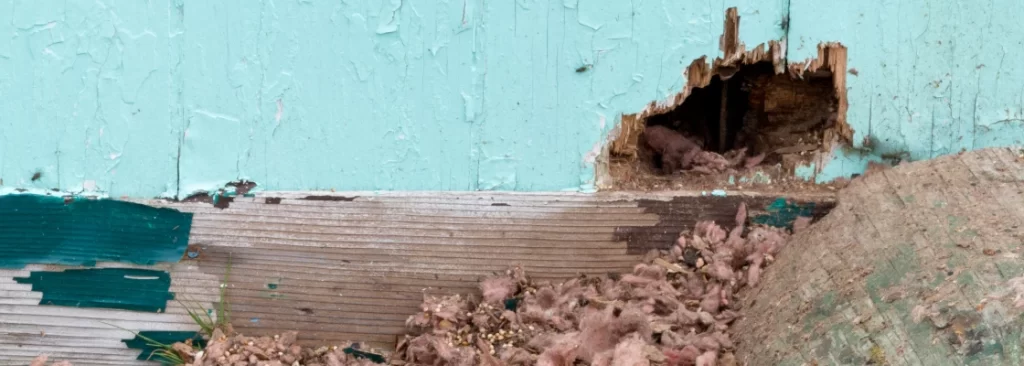
Check exterior openings. Look around utility lines, vents, doors, siding, roofing, and other areas where gaps may provide access.
Inspect garage doors and weather seals. Damaged or poorly fitting seals can create convenient entry points.
Address rodent activity early. Droppings, scratching sounds, or gnaw marks are reasons to investigate, not wait for additional signs.
Why Trapping Alone May Not Solve a Winter Rodent Problem
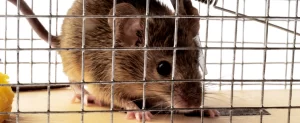
Catching a mouse or rat can remove an individual rodent, but it does not necessarily explain how it entered the property. If an opening remains accessible, additional rodents may continue using the same route.
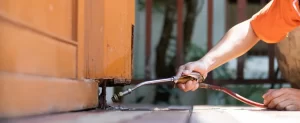
Effective rodent control should address both the current activity and the conditions supporting it. Identifying nesting areas, locating entry points, reducing attractants, and implementing exclusion measures can help address the source instead of repeatedly dealing with rodents after they appear.
Professional Rodent Control for Texas Homes
Rodent activity can become much harder to manage when mice or rats have established themselves inside walls, attics, crawl spaces, or other hidden areas. A professional inspection can help determine where rodents are active, how they are entering the structure, and which control measures make sense for the property.
At T-Rex Pest Control, we provide rodent control services designed to address active problems and help reduce the risk of rodents returning. If you hear scratching, find droppings, or notice other signs of activity this winter, contact us today to schedule an inspection and get ahead of the problem before it spreads.